Showing posts with label Cooking. Show all posts

Monday, 22 March 2021

The Best Cookbooks of the Century So Far

If you are looking for some cooking inspiration this weekend, look no further than these books curated by the Dineread review team.

“The River Cottage Cookbook,” by Hugh Fearnley-Whittingstall (2001)

Changing one’s relationship with food “involves no sacrifice, no hardship or discomfort,” Hugh Fearnley-Whittingstall writes, in his poetic ode to the hands-on, homestead-ish life. His prescription is simple: get in there and do it yourself—grow your food, meet your meat, learn the colors and patterns of the landscape around you through all its seasons. Years before “farm to table” was a buzzword, Fearnley-Whittingstall urged readers to move away from industrial food systems and reacquaint themselves with lo-fi self-sufficiency. The idea that pastoral practices can be pleasurable instead of burdensome is old news for the many home cooks today who know how to spot ramps in the wild and whip up D.I.Y. ricotta. But “The River Cottage Cookbook” ’s ideas (and straightforward, elegant recipes) remain striking reminders that what we eat isn’t just food on a plate but part of a thrilling natural cycle, our human lives brushing up against countless others, plant and animal alike.

“The Zuni Café Cookbook,” by Judy Rodgers (2002)

Since its introduction, in the late nineteen-eighties, the roast chicken served at San Francisco’s Zuni Café has earned a reputation as the best roast chicken in the world—crisp-skinned, impossibly juicy, served atop a salad of torn bread and bitter greens whose tart vinaigrette blends with the fatty, golden drippings. That recipe alone would land this book on any list of the great and essential, but the rest of the volume has magic, as well. Judy Rodgers got her culinary footing in France, living for a year with the family of the chef Jean Troisgros, and in Berkeley, where she cooked at Chez Panisse, and this five-hundred-page manifesto draws on those threads of experience (and others). The result is a remarkable collection of emphatic culinary opinions, several hundred of which are disguised as recipes: the merits of some soft cheeses over others, the precise way to dress a salad, the non-negotiable importance of salting raw beef and fowl a day or more before it’s cooked. The book’s magnificent opening chapter, “What to Think About Before You Start, & While You Are Cooking,” lays out the philosophical blueprint for every New American and California-casual cookbook that followed.

“Baking: From My Home to Yours,” by Dorie Greenspan (2006)

It’s true, unfortunately, that the art of baking is more rigid and exacting than that of stovetop cooking. The whims of a search-engine algorithm won’t cut it if you want your biscuits perfectly fluffy, your cakes precisely lofty yet moist, and your cookies angelic; a baker, more than any other cook, needs a recipe writer she can truly trust. To my mind, there is none more reliable than Dorie Greenspan; a lapsed academic who found her calling in cakes and pastries and built a career writing uncommonly precise road maps for replicating her success. With her as a guide, there is no room for self-destructive improvisation: her stylish, rigorous, cheerful recipes work because she tells her reader exactly how to make them work, anticipating our errors and our questions, building contingencies, alternatives, and solutions right into the text, and manifesting soothing flexibility. (If the ganache at the bottom of a layered pudding spills up the sides of the cup, “it’s pretty; if it doesn't, the chocolate will be a surprise.”) And if you only have one Greenspan book, it should be this one, a masterwork spanning breakfast to midnight snacks—not to mention her famous World Peace Cookies.

For more great cooking reads and eBooks, check out Dineread.

Tuesday, 2 March 2021

The Best Cookbooks of the Century So Far

Here are some great cookbooks from the Dineread review team.

“Franklin Barbecue: A Meat-Smoking Manifesto,” by Aaron Franklin and Jordan Mackay (2015)

A handful of conventional recipes in this book are a few sauces, a coleslaw, some beef ribs, and your usual barbecue accoutrements. But the big one in “Franklin Barbecue,” the singular one this book exists to document, is the one for the Austin pitmaster’s legendary smoked brisket. The actual brisket recipe fills eight pages late in the book, but the two hundred or so pages that come before are arguably essential to the process. Aaron Franklin delivers an almost comically sweeping exercise in obsession and precision with the respectful intensity of the true believer: if you want to make Franklin Barbecue–quality barbecue, you can’t just buy a hunk of meat and light a fire. You need to build a smoker and learn how to make it purr; you need a wood guy; you need to learn how to manipulate flames and air. The great lie of most restaurant cookbooks is the promise that you and I can do it at home. Like Chang’s frozen foie-gras torchon, Franklin’s barbecue comes with a hard truth: you probably can’t. But if you wanted to—if you wanted to—he’s here to show you every single thing you need to know to pull it off.

“The Jemima Code: Two Centuries of African-American Cookbooks,” by Toni Tipton-Martin (2015)

Early in her career, the food writer and editor Toni Tipton-Martin noticed that black cooks wrote virtually none of the cookbooks she encountered in professional kitchens. Over decades, she read and researched hundreds of rare and often forgotten works of the African-American culinary record. “The Jemima Code” is a chronicle of her learning, an annotated catalogue of some hundred and sixty volumes, many from Tipton-Martin’s library, spanning from the days of slavery to just a few years ago. Whether writing about a brief recipe pamphlet or a dense guide to household management, Tipton-Martin gives each book a helpful page or more of comment, limning the authors’ biographies and celebrating their accomplishments. It’s a beautiful and essential corrective to the ongoing erasure of generations of black American culinary and its indelible influence on American cuisine writ large. (“Jubilee,” Tipton-Martin’s more conventional cookbook, compiling recipes from the books in this collection, is publishing this fall.)

“Salt, Fat, Acid, Heat: Mastering the Elements of Good Cooking,” by Samin Nosrat (2017)

Reference books, almost by definition, aren’t meant to be read straight through; they’re index-driven, drily instructive knowledge-delivery mechanisms. They’re indeed not supposed to do what “Salt, Fat, Acid, Heat” does: just flat-out teach you, from the ground up, how to be a good cook. The title’s four words refer to the central pillars of cooking; the book explains how mastering them will transform everyday cooking from rote recipe-following to something more intuitive, jazz-like. The lush, four-episode Netflix series inspired by this book might be the trebuchet that launched Samin Nosrat to household-name status. However, it’s her book that we’ll still be reaching for decades from now as a guide for beginners in need of essential egg-scrambling techniques or experienced cooks looking to burnish their confidence and bolster their skills.

“Feast: Food of the Islamic World,” by Anissa Helou (2018)

Anissa Helou, who grew up in Beirut, made her name with lyrical Mediterranean cookbooks that make ideal celebratory dinners. “Feast” maintains her crisp, evocative prose and approachable recipe writing. Still, it shifts its boundaries from the geographic to the religious, chronicling Muslim culinary traditions across Asia, Africa, and the Middle East. The book’s three hundred recipes trace Islam’s path from its seventh-century origins in present-day Saudi Arabia to Senegal’s vibrant Muslim communities, India, Indonesia, China’s Xinjiang province, and more. The food itself is phenomenal—bread, salads, stews, curries, sticky-sweet desserts—but even more illuminating is Helou’s decision to include blocks of different recipes for a single dish. At first, they seem redundant: half a dozen simple flatbreads or innumerable variations on ground spiced meat formed into kebabs. In fact, in outlining their minute differences side by side, Helou reveals the habits, rituals, and histories that make up a vast and heterogeneous religious culture and cuisine.

For more great cooking books and reviews, check out Dineread.

The Best Cookbooks to Buy for Friends and Family

Here are some great cookbooks from the Dineread review team.

Mastering the Art of French Cooking, Vol. 1

JULIA CHILD, LOUISETTE BERTHOLLE AND SIMONE BRECK

If taking on decadent new recipes is your favorite weekend pastime, Julia Child's got your back. Her superbly-detailed instructions ensure that you will accomplish even the most complex creation. Just be warned: it's hard not to hear her voice in your head as you work your way through them.

Joy of Cooking: 2019 Edition Fully Revised and Updated

IRMA S. RONNBAUER, MARION ROMBAUER BECKER, ETHAN BECKE

Your grandmother probably had a copy of an earlier Joy edition for a reason. This definitive tome comes packed with instructions on making everything from a classic roast to perfect brownies. Its no-frills, no-nonsense recipes include clear, easy-to-follow instructions anyone can use, even if you tend to burn water.

Good Housekeeping Cookbook: 1,200 Triple-Tested Recipes

GOOD HOUSEKEEPING

Our test kitchen experts triple-tested all of the recipes in this cookbook, so you know you can trust every single one. It’s both fun to page through and use in your kitchen adventures with beautiful food photography and mouthwatering dishes.

The Fannie Farmer Cookbook: Anniversary

Initially published in 1896 as The Boston Cooking-School Cook Book by Fannie Merritt Farmer, this O.G. cookbook stands the test of time. In addition to tried-and-true recipes, it offers advice from Marion Cunningham that feels like you've got a cheerleader by your side every step of the way. If you're not a confident cook, this book can help.

For more great cooking books and reviews, check out Dineread.

Sunday, 31 January 2021

eBooks That Will Improve Your Cooking

Cook eBooks teach readers how to make delicious meals. They come with beautiful pictures and recipes of a variety of finger-licking foods. Here are some of the eBooks that make you a fantastic cook.

Irma S. Rombauer’s The Joy of Cooking

The Joy of Cooking is one of the popular cookbooks in the U.S. The book has been in print since 1936, selling over 18 million copies. This means that the recipes in the book have been improved to suit today's cooks.

Nourish Me Home -Cortney burns

The book was initially published on April 21, 2020, and has about 110 recipes within the six of its chapters. Cortney being curios and creative writer has made this eBook interesting to readers to enjoy trying her recipes.

The Whole Fish Cookbook -Josh Niland

This is one of the best-selling eBooks that has changed the way many people view fish. Like the best chef, Josh Niland has impressively put down into words how he makes delicious fish in different recipes. With this eBook, you won't be cooking salmon the same old boring way.

Mastering the Art of French cooking

Julia Child is the eye-opener on how to make different types of French foods. Before the existence of this eBook, people had to go to restaurants whenever they wanted to enjoy French dishes. However, the author has made it possible for people to cook French food at home.

To access cook eBooks that will help you prepare different types of foods, visit Dineread.com.

Three Best Cookbooks to Improve Your Cooking Skills

Cooking books help remind us that looking forward is not a stupid trait; this personality can come in handy, mostly when the rest of the world is stuck in a horrible situation. Food can create good memories that you will cherish for the rest of your life. Let's look at some of the best cookbooks that can help you improve your cooking skills.

Home Style Cookery - Matty Matheson

Matty Matheson talks about food, tees, Bob Krammer knives, and other things that will make you a better cook. He represents a kitchen’s sad lamp full of internet trawlers. Home Style Cookery converted Matty from a local kid to a famous chef star. Matty explains that Home Style Cookery is more on foundational things, such as taking necessary cooking skills and improving them to become a professional recipe.

Pizza - Thom Elliot and James Elliot

Pizza Pilgrims is authored by two brothers: Thom and James Elliot. The duo decides to embark on a journey around the world to discover the world’s best pizza recipe. Pizza is filled with recipes and toppings made from mushrooms and Nutella.

Summer Kitchens - Olia Hercules

Authored by one of the famous authors of cookbooks, Summer Kitchens was inspired by the outdoor kitchens of Olia Hercules. He was living in his homeland Ukraine when writing the book. The book comprises several preserving and pickling skills for preparing a sumptuous breakfast, such as Aubergine butter on a tomato toast.

To get some of the best cooking eBooks that will improve your cooking, visit Dineread.com.

Sunday, 12 July 2020

Casseroles: The Ultimate Comfort Food

Named after the deep pans they’re traditionally cooked and served in, casseroles are nothing short of the best comfort food around. But while the tuna noodle casserole may be a time honored tradition, there’s no reason to stop there, and any number of casseroles that are well worth trying. Here are a few casserole ideas for the next time you’re craving some comfort.


Baked ziti. The combination of ziti pasta, pasta sauce, ricotta, mozzarella, and parmesan, makes this baked ziti feel much like a lasagna only without all the intricate layering work that can be some time consuming. A perfect alternative for when you’re seeking comfort on a time crunch.

Tater tot casserole. Oh yes, you can use everyone’s favorite alternative to the french fry, combined with ground beef, celery, onion, condensed soup, and a whole lot of cheese to make a deliciously decadent casserole that’s sure to please any palate. There’s some debate as to whether ketchup is a suitable condiment to eat with the delightful dish, but we’ll leave that up to you.


Onion and rice casserole. With an unexpectedly rich flavor from such a seemingly simple dish, onion and rice casserole can make for the perfect vegetarian comfort food, and best of all it’s not a lot of work. It can also be made ahead and keeps for a long time in the fridge.


Looking for some food related reads? Visit our online library at Dineread for a wide variety of ebooks, audiobooks, music, and more. Accessible anytime, anywhere, from your favorite devices.

Tuesday, 28 January 2020

Essential Kitchen Skills: Toasting Spices

For many of us, cooking skills are only learned out of necessity; when we move out on our own for the first time and are finally responsible for feeding ourselves. Skills were often developed through trial and error, handed down from our parents and grandparents, or even picked up from cookbooks and recipes. That said, we live in the age of convenience, where everything imaginable can be delivered, and cooking has become little more than novelty thanks to meal prep packages. For those who still love to cook from scratch, or those looking to learn, here’s a basic skill everyone should know: Toasting spices.


You may ask yourself why would you toast spices? The answer is simple: Toasting spices helps bring out the flavors and aromas. This technique is particularly useful when incorporating seldom used spices that may have been sitting around for some time, while the spices may have lost much of their punch, toasting them will certainly help bring them back to life!


The technique is a simple one, and involves little more than a frying pan. Heat the pan to medium high heat and lay the spices out across the cooking surface, stirring or shaking them up frequently to ensure they don’t burn. Once your spices start giving off strong aromas they’re ready to use, and if some trial and error is needed a few burnt spices represent a fairly minimal investment.


Looking for more mouth-watering content? Visit our online library at www.dineread.com for a wide variety of ebooks, audiobooks, music, and more. Accessible anytime, anywhere, from your favorite devices, and perfect for your next culinary adventure.

Thursday, 24 October 2019

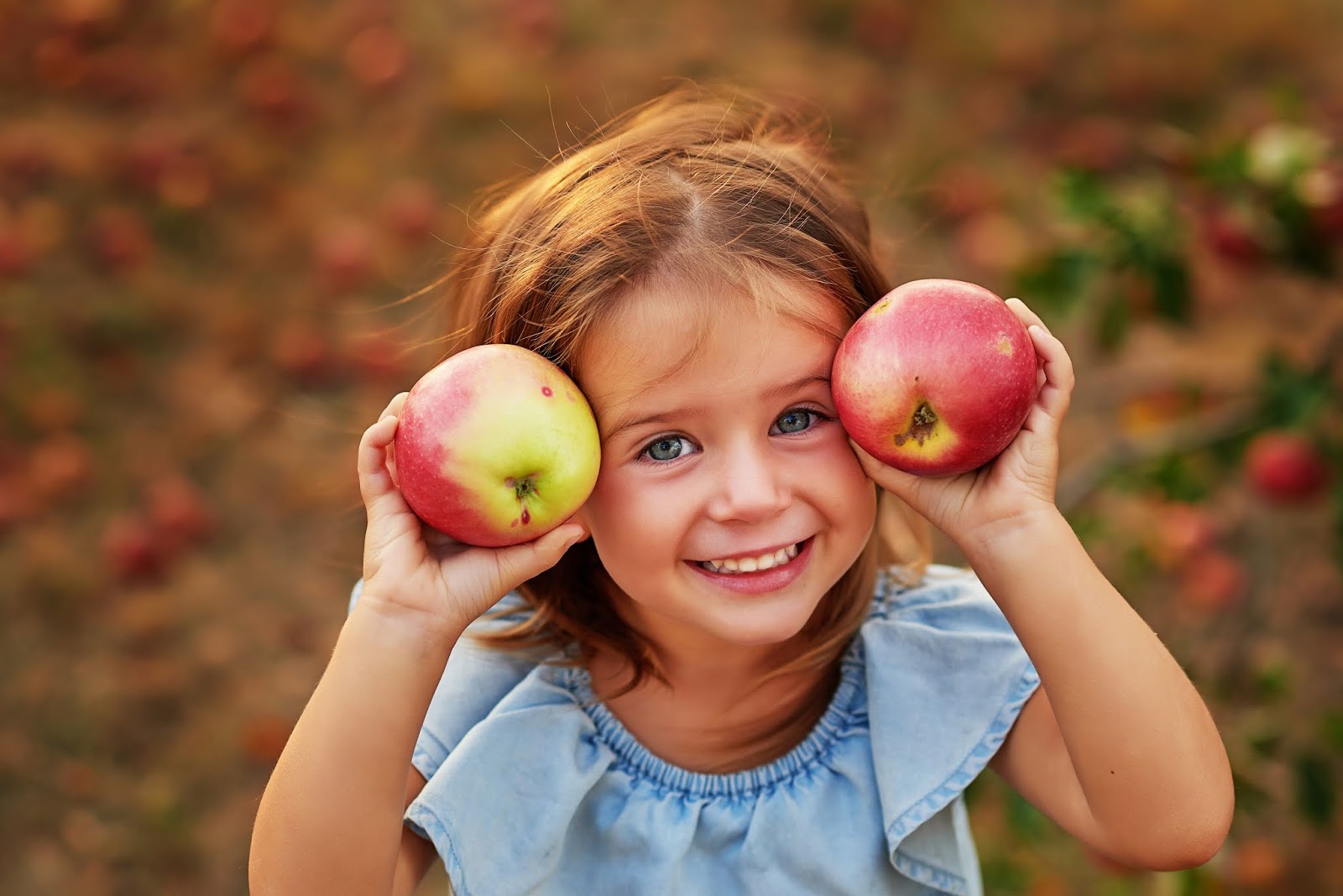
Amazing Uses for Apples

Pie? You’ve had plenty. Juice? Just enough. As is? You’ve done that as well. You’ve likely had plenty of experience with the conventional uses for apples already, you’re looking for something new. Well good news! We’ve got three amazing uses for apples that you may not have thought of.


Apple, carrot, & raisin coleslaw. Coleslaw is a staple of any BBQ and one of the quintessential summertimes dishes, but nobody said you can’t tweak it a little bit and add your own twist. When you’ve had your fill of cabbage you can always make a sweet substitute for the traditional coleslaw with shredded carrots, apples, and raisins. Not a raisin fan? Try dried cranberries instead for a bit of tartness.


Apple grilled cheese. A few slices of apple make a perfect addition to grilled cheese, and you can mix and match varieties for any number of flavor variations. Aged cheddar and Granny Smith make for a pretty timeless classic, but try brie and russets for something a bit sweeter. Want a little something more? Throw in some bacon too!


Apple stuffing. That’s right, gone are the days of nearly flavorless stuffing, when it’s next time for turkey, or even for whole chicken, add some apple to your stuffing recipe and make it more than just filler. If you’re feeling adventurous, some apple slices under the skin packed with plenty of butter will help keep your bird moist and flavorful.

Looking for some great food finds? Visit our online library at www.dineread.com for a wide variety of ebooks, audiobooks, music, and more. Accessible anytime, anywhere, from your favorite devices.

Thursday, 20 June 2019

Essential Kitchen Skills: Toasting Spices

For many of us, cooking skills are only learned out of necessity; when we move out on our own for the first time and are finally responsible for feeding ourselves. Skills were often developed through trial and error, handed down from our parents and grandparents, or even picked up from cookbooks and recipes. That said, we live in the age of convenience, where everything imaginable can be delivered, and cooking has become little more than novelty thanks to meal prep packages. For those who still love to cook from scratch, or those looking to learn, here’s a basic skill everyone should know: Toasting spices.


You may ask yourself why would you toast spices? The answer is simple: Toasting spices helps bring out the flavors and aromas. This technique is particularly useful when incorporating seldom used spices that may have been sitting around for some time, while the spices may have lost much of their punch, toasting them will certainly help bring them back to life!


The technique is a simple one, and involves little more than a frying pan. Heat the pan to medium high heat and lay the spices out across the cooking surface, stirring or shaking them up frequently to ensure they don’t burn. Once your spices start giving off strong aromas they’re ready to use, and if some trial and error is needed a few burnt spices represent a fairly minimal investment.


Looking for more mouth-watering content? Visit our online library at www.dineread.com for a wide variety of ebooks, audiobooks, music, and more. Accessible anytime, anywhere, from your favorite devices, and perfect for your next culinary adventure.

Monday, 13 May 2019

Beyond the Pickle

There’s nothing quite like a dill pickle fresh from the fridge! Crunchy, juicy, refreshing, the perfect snack or addition to your sandwich or salad. Not only are dill pickles delicious, but they’re also quite easy to make at home and a perfect way to stock up on preserves for the winter. But why stop at pickles? Here are six of the many vegetables that are just perfect for pickling.


Carrots. A perfect addition to salads and coleslaws and great on their own for snacking or as part of a party platter, carrots can be sliced or diced for the perfect pickling vegetables.

Beets. Ideal when you’re looking to add color to a wide variety of dishes and a great way to enjoy the amazing health benefits of beets.


 Radishes. Tacos, anyone? Toss pickled radishes into your tortilla for a great addition to Mexican night! Also great for adding some crunch to your favorite salad or sandwich without overpowering other flavors.

Asparagus. Give your Bloody Mary a stir! Pickled asparagus is not just for drinks, salads and sandwiches can greatly benefit from their taste and texture.


Red onions. Sometimes adding raw onions to a dish can prove to be a bit too harsh. Pickled onions have less of a bite but plenty of taste, a spectacular substitute.

Jalapenos. When you’re looking for some spice, jalapenos are quite nice! Pickled for a bit less of a punch, they’re great for garnish.

Looking for more cooking tips and delicious ideas? Check out www.dineread.com for a wide variety of books and more.

Tuesday, 2 April 2019

In Praise of Slow (The Slow Cooker, That is)

It may seem like a bit of a paradox, we live busy lives that by all accounts are fast paced, how can something called a slow cooker make our lives any easier? Well, yes, the appliances are aptly named as a slow cooker is just that: Slow. But oh what a wonderful world of possibilities they open up. Here are three reason why a slow cooker is perfect for your busy life.


Set it and forget it. Not many of us remember Ron Popeil’s infomercial for his "Showtime Rotisserie," but the phrase lives on in kitchens throughout the globe thanks to slow cookers. It really is that simple, you set your meal to start cooking in the morning, forget about it as you go about your day, and when you get home? Bam! A piping hot home cooked meal ready to serve.


Batch cooking for your busy week. Batch cooking is one of the many perks of the usually amply sized slow cooker. Rather than slave over the stove to cook a single meal you can spend the same amount of time on prep and have meals for the rest of the week. Pretty much a no brainer.


Batch prepping is a thing too. If you’re willing to devote a day to chopping, why not prepare several batch meals in advance? Ingredients can be stored in a ziplock in the freezer and pretty much cooked from frozen in most cases. Just imagine, a month’s worth of food prepared in a single day!

Looking for more delicious content that’s sure to have you licking your lips? Visit our online library at www.dineread.com for a wide variety of ebooks, audiobooks, music, and more, accessible anytime from your favorite devices.

Wednesday, 13 March 2019

The Benefits of Eating Eggs

Eggs! They’re not just delicious, they’re also good for you, and eating eggs on a regular basis comes with a load of benefits. Here are just five of the many benefits of eating eggs.


They’re quick, easy, and versatile. Cooking an egg is quite literally a matter of minutes, and few other cooked foods are quite as easy. To top it all off, eggs are incredibly versatile and can not only be cooked a number of different ways, they can also be incorporated into a wide variety of dishes.

They’re loaded with vitamins. A single egg contains vitamins A, B5, B2, B6, B12, D, E, calcium, zinc, phosphorous, selenium, and folate. Need we say more?


They’re packed with protein. Eggs are an excellent source of complete proteins, containing all nine amino acids that the body can’t synthesize naturally, and help promote muscle recovery and development.

They’re good for your health. Eggs raise HDL (good) cholesterol and help make LDL (bad) cholesterol less harmful. They also help manage weight, contribute to better eye health and mental acuity, and may help reduce the risk of stroke.


They’re portable and make great snacks. Rather than spending extra money on vending machine snacks that are full of salt and sugar, hard boiled eggs can help satisfy those mid-day craving and make for a much healthier alternative!

Looking for more food related content? Visit our online library at www.dineread.com for a wide variety of ebooks, audiobooks, music, and more, accessible anytime from your favorite devices.

Monday, 18 February 2019

Easy Dinner Ideas for Those Lazy Nights

You may have had a busy day, or a busy week, or maybe you’re just tired from a long night, but whatever the reason once in a while you just don’t feel like cooking an elaborate meal, and it’s totally understandable. It may be tempting to order in, but a healthier alternative (not to mention a way to prevent overeating) would be something quick and easy. Here are three quick and easy dinner ideas you can make tonight.


One pot beef and broccoli. A little bit of beef, a little bit of broccoli, chopped up and thrown into a single pot. What could be easier? Get the beef started a bit before the broccoli as it will take just a little longer to cook, and season with your favorite sauce and spices, or just a bit of salt and pepper if you’re craving something simple.


Roasted veggies and sausage. All it takes is a bit of chopping time and a bit of patience for it to cook, but roasted veggies and sausage is otherwise effortless. Cut the veggies and sausage into equal pieces, toss in some oil, salt, and pepper, and pop it in the oven until done. A delicious and hearty meal that isn’t too much work.


Savoury salsa omelette. If you’re all about no fuss, look no further than a tasty omelette! Beat a couple of eggs and get them cooking, then throw in some salsa, sliced olives, grated cheese, and any other nacho fixings you have in the house. Top with more grated cheese and a dollop of sour cream, et voila!

Looking for more food related reads? Visit our online library at www.dineread.com for a wide variety of ebooks, audiobooks, music, and more, available anytime on your favorite device.

Tuesday, 15 January 2019

The Joys of Cooking With Cast Iron

It’s time to cook dinner, and when getting started there’s any number of different tools at your disposal for your favorite dish, especially when it comes to cookware. From aluminum and non-stick to copper, enamel, and stainless steel, the choices can be dizzying. But tried and true, cast iron is often still king! Here are three reasons why cooking with cast iron is still the best!


Cast Iron retains its heat. Need to step away from the stove for a second? Need to swap pans or perform other complex kitchen maneuvers? Pre-heating your pan a second time around is the least of your concerns with cast iron, as it’s conductive nature keeps your pots and pans hotter for longer than most modern cookware.

You can use metal utensils without worry. Unlike Teflon or other non-stick coated cookware, your metal utensils won’t scratch up and ruin the cooking surfaces of cast iron pots and pans. Good news for anyone who’s looking to scrape the bottom of the pot when making a sauce or trying to flip a heavy roast. As an added bonus, there’s no need to worry about consuming any toxic particles from non-stick surfaces.


From stove to the oven in an easy step. Cast iron is oven safe, so as long as your pots and pans don’t have any plastic handles and parts they can go straight from the stove into the oven. Absolutely ideal for searing meats and cooking the perfect roast or for keeping your food warm once it’s done cooking.


Ready to get cooking? You can find a wide variety of inspirational recipes among the multitude of books available at www.dineread.com.